

Aluminum alloy die castings are everywhere. In cars, they form engine mounts that endure high - stress conditions; in smartphones, they create sleek, heat - dissipating casings. Their versatility starts with alloy selection, a crucial step that determines a part’s strength, fluidity, and durability.
Take alloy selection, for example. Manufacturers choose alloys much like chefs pick ingredients. For automotive components needing complex shapes, an alloy with high silicon content might be ideal due to its excellent fluidity during casting. Meanwhile, parts requiring strength, like industrial gears, often use alloys with more copper.
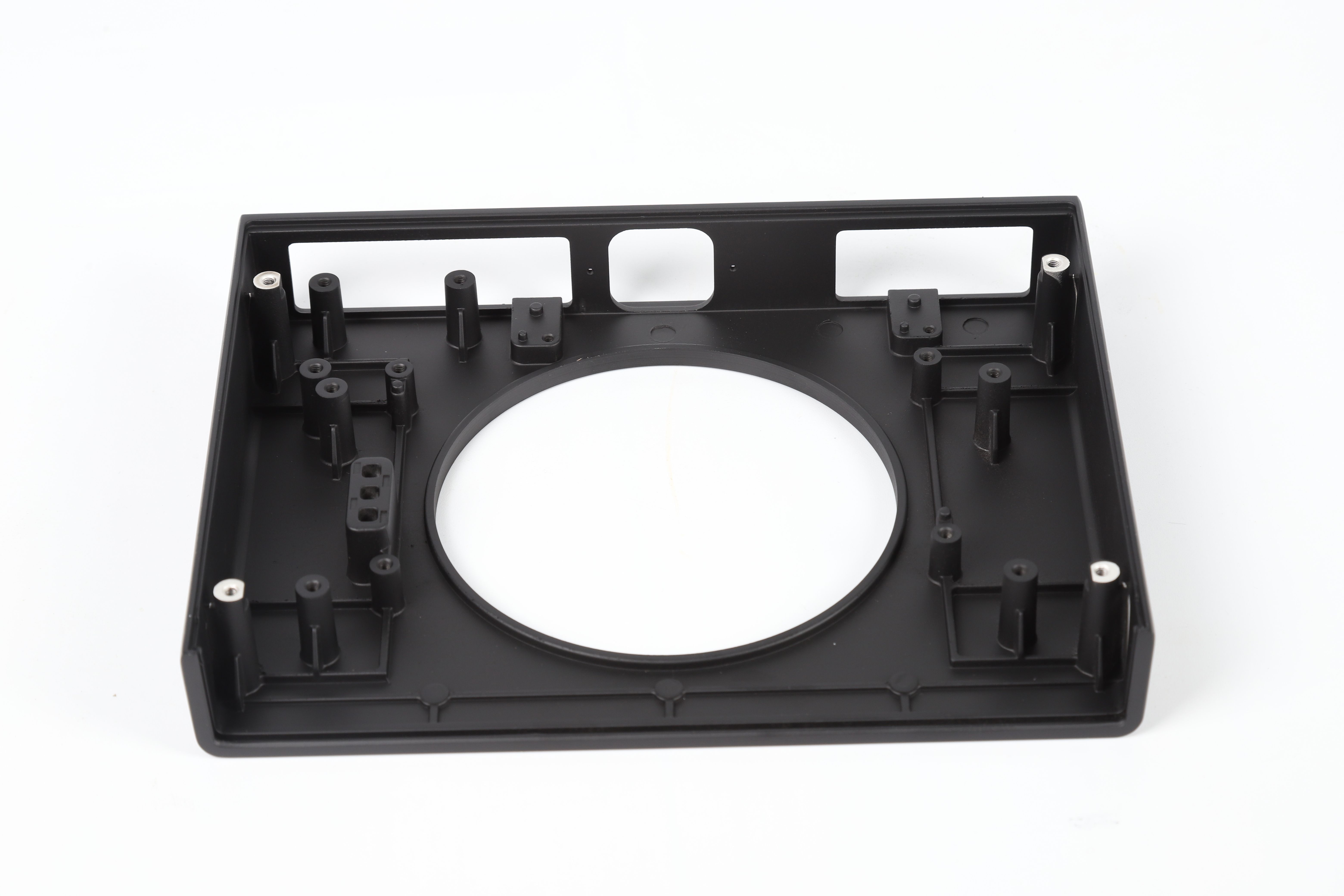
Once the right alloy is chosen, surface treatments elevate the die casting parts for aluminum alloy. Sandblasting is a common first step. It’s like a high - speed sand scrub, removing impurities and creating a textured surface that helps paint adhere better. Motorcycle wheels, for instance, are often sandblasted before painting to withstand rough rides and harsh weather. The result? A rugged, matte finish that’s both practical and stylish.
Polishing transforms these castings. In watch factories, technicians buff aluminum alloy watch cases by hand or with chemicals. Each stroke erases casting marks, revealing a mirror - like surface that resists dust and fingerprints—perfect for products we handle daily.
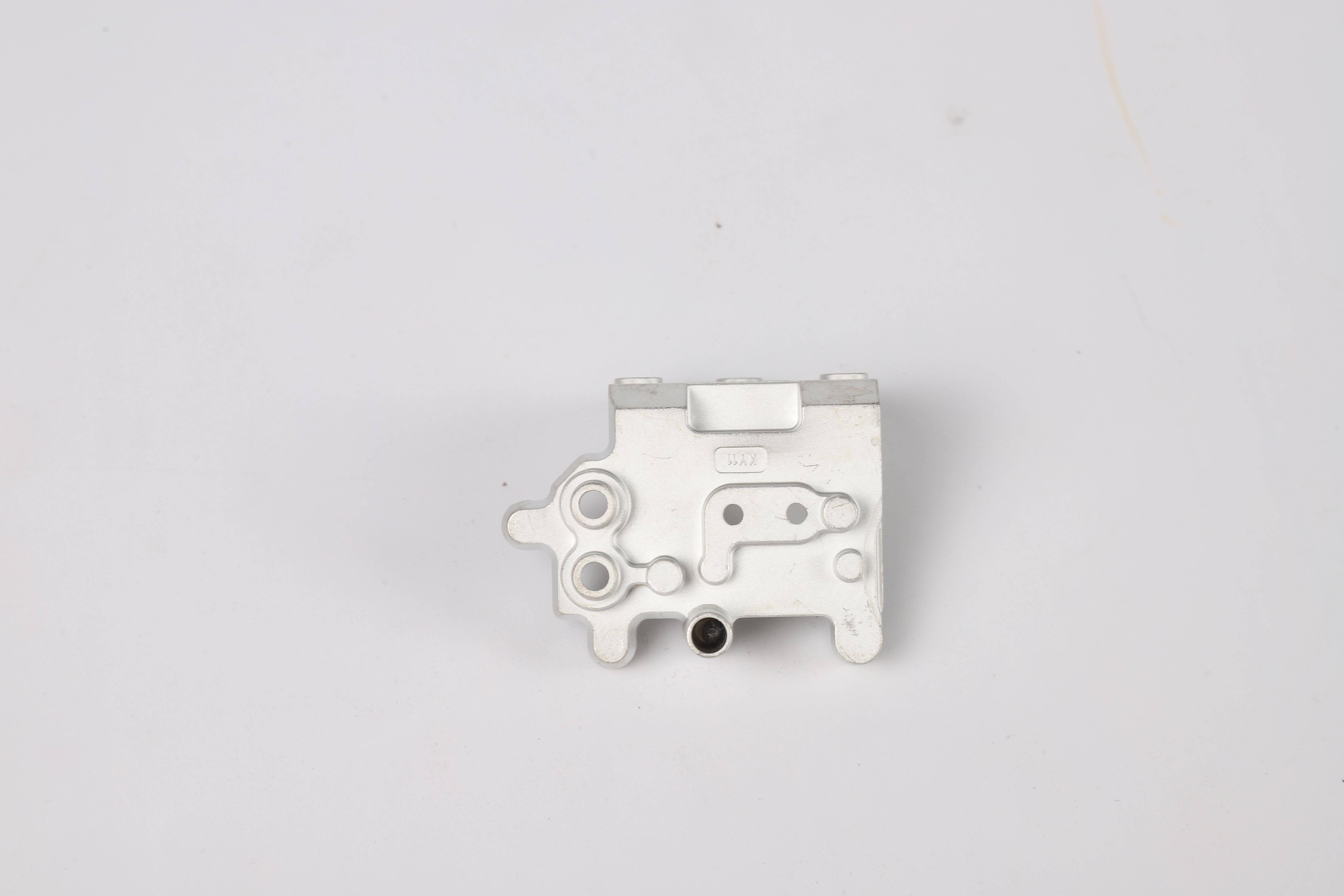
Anodizing combines protection and aesthetics. When submerged in an electrolyte solution, aluminum alloy die castings develop an oxide film. Architects love this for railings, as they can customize the film’s color to match any building design. More importantly, the film offers corrosion resistance, ensuring the parts last, even in tough environments.
Finally, electroplating adds luxury. In the fashion industry, electroplated aluminum alloy buckles and zippers mimic precious metals. They not only look glamorous but also withstand daily wear and tear.
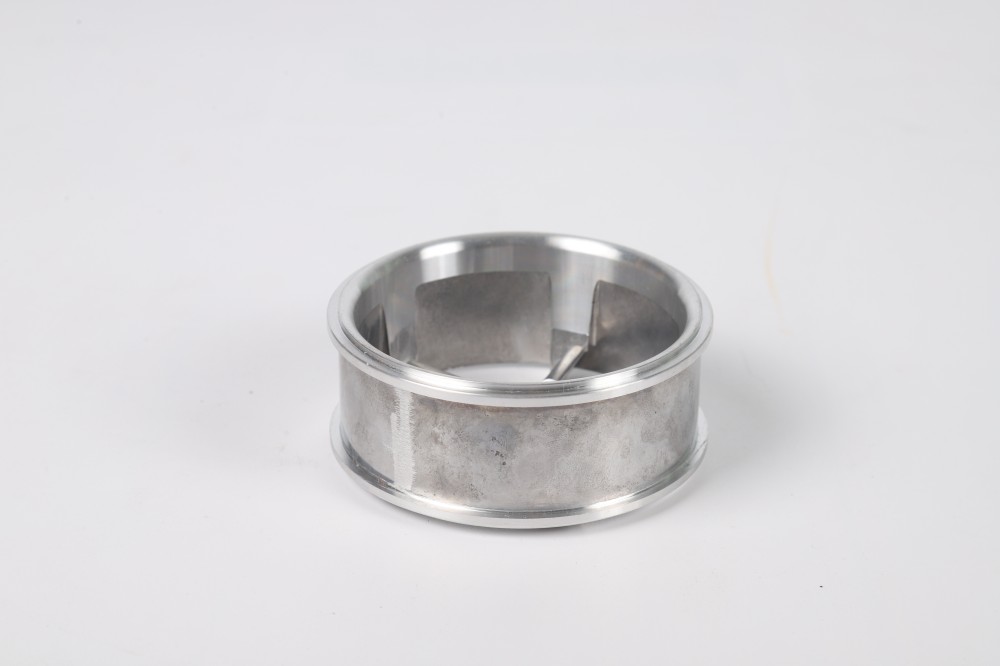
From alloy selection to surface treatments, aluminum alloy die castings blend science and craftsmanship. As technology advances, we can expect even more innovative ways to make these parts better, more sustainable, and essential to countless products.