

Technological Innovation and Development Trends of Precision Die Casting Processing in the Application of Precision Products
(Certified by ISO 9001:2015 Quality Management System, in compliance with GB/T 19001-2016 standard)
Abstract
Precision die casting processing is a core technology in manufacturing for the efficient formation of complex structural components, especially in high-precision fields such as automotive, aerospace, and consumer electronics where it plays an irreplaceable role. Based on industry technical standards and practical cases, this article systematically analyzes the technical characteristics, application scenarios, and future development directions of the die casting industry, with a focus on discussing the technological innovation and quality control of die cast parts processing in precision products, providing authoritative technical references for the industry.
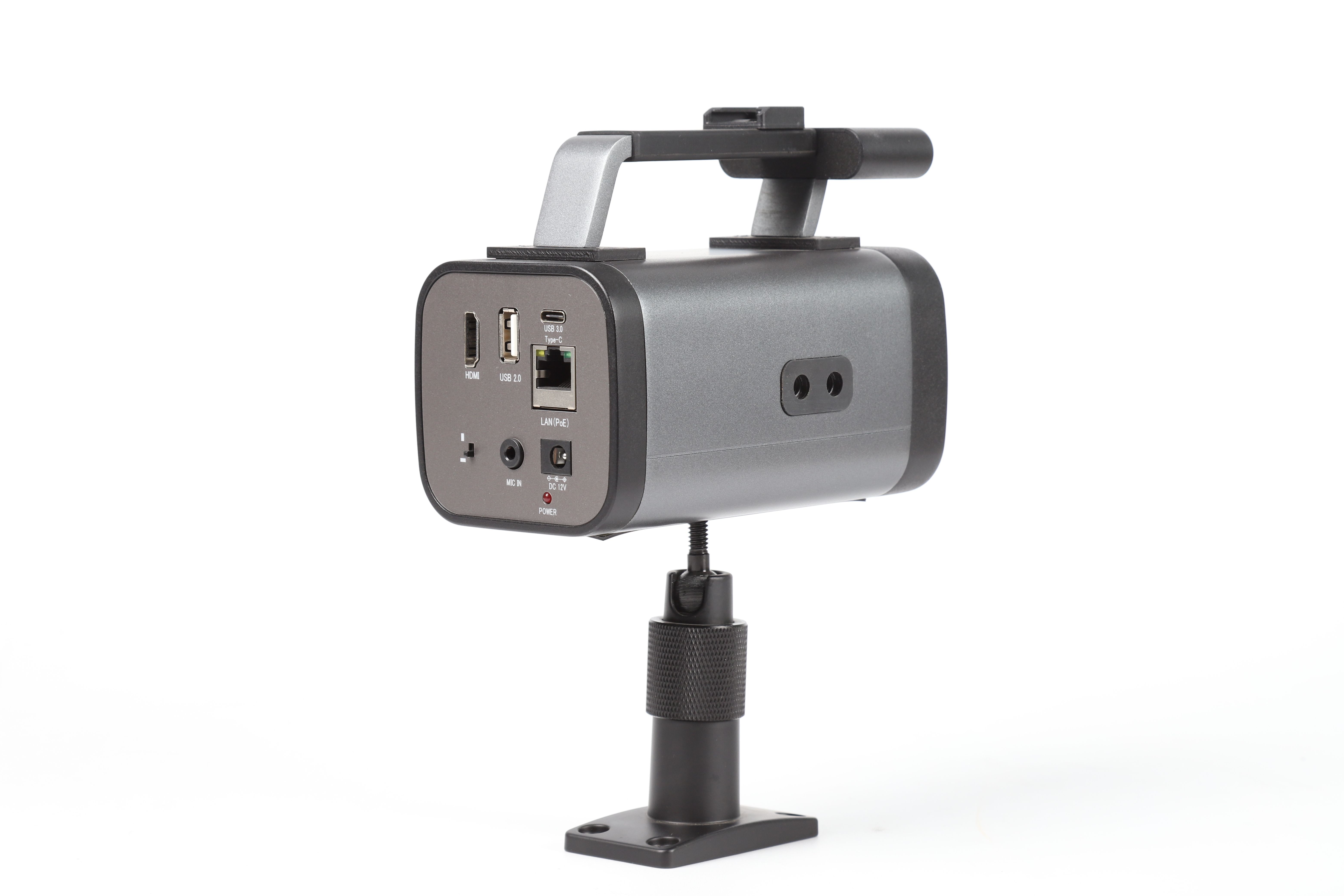
Key words: die-casting industry, die-casting parts processing, precision molding, lightweight, intelligent manufacturing
Aluminum alloy set-top box shell
1. Introduction
With the escalating demands for lightweight, high-strength, and complex structures in precision products, traditional casting processes have become inadequate for the requirements of modern manufacturing. Precision die casting, through high-pressure forming technology, enables efficient and precise shaping of materials such as aluminum and magnesium alloys, and is widely used in applications such as automotive engine blocks, aerospace structural components, and electronic device casings. According to a 2024 report by China Gold Enterprise Credit, China's annual output of die castings has exceeded 3 million tons, with over 65% in the automotive sector, and significant growth in the 3C electronics and aerospace fields.
2. Technical Characteristics and Process Optimization of Precision Die Casting
2.1 Technical Characteristics
Projector housing
High-precision forming: By employing vacuum die casting and semi-solid die casting technologies, the occurrence of porosity defects is reduced, and dimensional accuracy can reach IT6 level (tolerance ±0.02mm), meeting the stringent requirements of components such as aero-engine blades.
Lightweight design: By replacing traditional steel with aluminum alloy (accounting for 73%) and magnesium alloy (accounting for 1%, with a growth rate of over 20%), the weight of components is reduced by 30% to 50%.
Complex structure integration: The 3D printing conformal waterway mold technology (such as the BLT-S400 equipment from PLT) enables the formation of internal irregular flow channels, increasing cooling efficiency by 40% and extending mold life by three times.
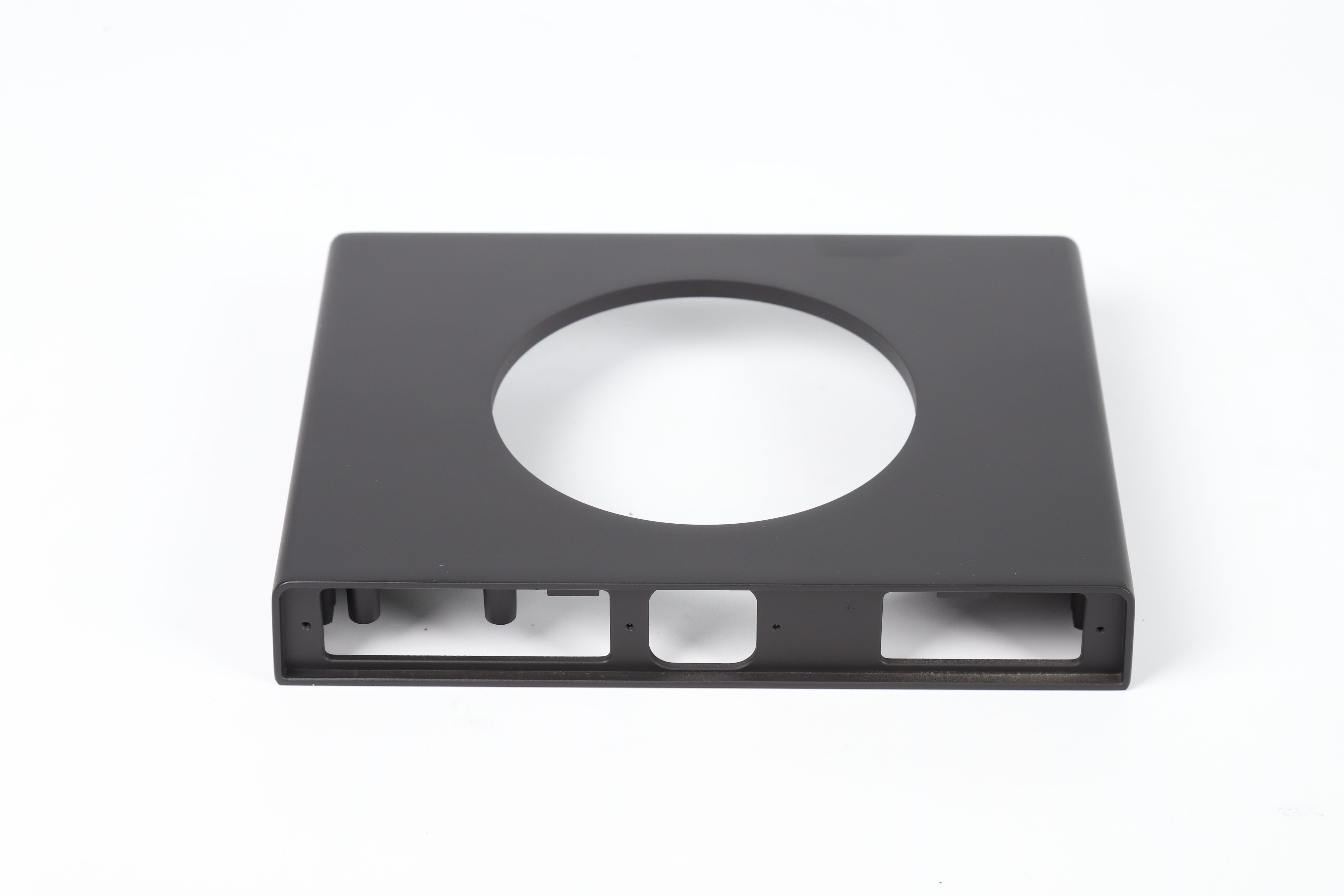
2.2 Process Optimization Directions
Intelligent die-casting island: Meilixin Technology integrates high-precision machining centers and fully automatic powder coating lines to achieve full-process automation from die-casting to machining and inspection, raising the yield rate to 99.5%.
Green manufacturing: Hai Li New Materials has passed the IATF16949 certification. It uses spray robots to reduce energy consumption by 30% and has a waste recycling rate of over 95%.
Material innovation: The development of high thermal conductivity alloys (thermal conductivity ≥ 150 W/m·K) and high-strength magnesium alloys (tensile strength ≥ 300 MPa) promotes the upgrade of heat dissipation components for new energy vehicles and 5G base stations.
3. Innovative Applications of Die Casting in Precision Products
3.1 Automotive Manufacturing Field
Powertrain: Aluminum alloy transmission housing (wall thickness ≤ 2mm) achieves lightweighting through die casting, reducing weight by 20% and improving fuel efficiency;
New energy vehicle components: The magnesium alloy chassis bracket developed by Hongda Die Casting for Hongqi L5 has passed 600,000 impact tests and has a strength 50% higher than that of traditional steel parts.
Energy storage battery housing
3.2 Aerospace Field
Structural Components: Titanium alloy aero-engine blades produced by vacuum die-casting technology have their fatigue life extended to 10^7 cycles.
Thermal management system: The conformal waterway mold (BLT-A320 equipment from Betterway) precisely controls the temperature difference of aviation aluminum alloy parts to ≤5℃, reducing the risk of thermal deformation.
3.3 Consumer Electronics Field
High-gloss appearance parts: The frame of mobile phones adopts mirror-finish die-casting process (surface roughness Ra ≤ 0.1 μm), reducing costs by 40% compared to CNC processing.
Micro precision parts: One-piece die-casting of notebook computer hinges, with dimensional accuracy up to ±0.01mm, and assembly efficiency increased by three times.
4. Industry Development Trends and Challenges
4.1 Technological Upgrade Directions
Intelligentization and Digitalization: Konica Minolta's CCM color-matching system has reduced the development cycle of die-casting molds from 30 days to 7 days, with a color difference of ΔE ≤ 0.5310.
Large-scale integrated die-casting: Tesla's Model Y rear underbody uses a 6000T die-casting machine, reducing the number of parts by 70% and driving innovation in body manufacturing.
4.2 Core Challenges
Material Cost: High-end magnesium alloys (such as AZ91D) rely on imports, with a domestic production rate of less than 40%, which restricts large-scale application.
The lack of standardization: The significant differences in process parameters among small and medium-sized enterprises lead to fluctuations in the batch stability of die-cast parts (with a qualification rate gap of up to 15%).

5. Conclusion and Suggestions
Precision die casting processing is undergoing a transformation from a single forming technology to an all-chain innovation in "materials - processes - equipment". In the future, the following aspects need to be prioritized:
Technical collaborative innovation: Establishing a platform for industry-university-research collaboration to overcome the mass production challenges of high thermal conductivity magnesium alloys.
Industry standard formulation: Refer to the "General Rules for Green Manufacturing Process of Aluminum Alloy Die Casting Products" to formulate national standards for the processing accuracy and energy consumption of die castings.