
Beyond the roar of factory lines and the glow of molten metal, a quiet revolution is unfolding in manufacturing: die casting zinc alloy has quietly become the unsung hero, weaving its way into everything from the smartphones in our hands to the cars we drive. Its rise isn’t a stroke of luck but a testament to how it fits perfectly with the needs of modern industry.
Standout Material Properties
Zinc alloy die casting offers a strong mix of benefits. It has high strength and hardness, making it ideal for durable, stress-resistant parts. In automotive manufacturing, it’s used in critical components like brakes, fuel systems, and air conditioning parts. As Redstone Manufacturing notes, zinc outperforms most non-ferrous die-cast metals in workability and metallurgical properties, pound for pound.
Its dimensional stability is another key advantage. Zinc castings meet tight tolerances—small components can hit ±0.001 precision—critical for electronics where exact fits matter. Plus, good corrosion resistance extends product life, useful for outdoor building parts like cladding and rainwater systems.
Cost Advantages
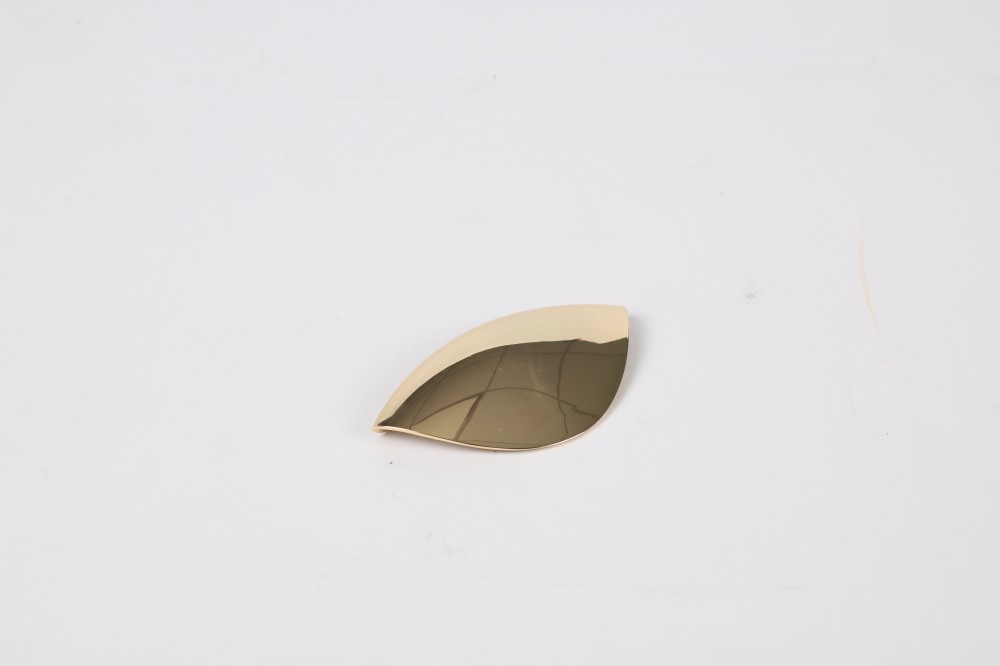
Zinc alloy die casting is easy on budgets. Raw material costs are lower than many alloys, and the process itself saves money. With a melting point of just 419°C, zinc uses less energy during casting. Dies also last much longer—up to 10 times longer than aluminum dies and five times longer than magnesium ones—cutting replacement costs and downtime. For high-volume production, like small zinc parts, the high-speed 4-slide process slashes upfront tooling costs compared to aluminum or magnesium.
Wide-Ranging Applications
Its versatility drives adoption across sectors. In automotive, it supports lightweighting and fuel efficiency efforts, used in both functional and interior parts. The global automotive zinc die casting market is growing steadily as a result.
In 3C industries (consumer electronics, communication, computers), demand booms too. Smart wearables’ miniaturization needs precise, intricate parts—exactly what zinc alloy delivers, as seen in smartphone frames and watch cases. It also works for electromagnetic shielding in electronics and telecom gear.
Building and construction rely on it too, thanks to corrosion resistance and aesthetics. It’s used in cladding, roofing, and hardware like door fixtures.
Tech Advances
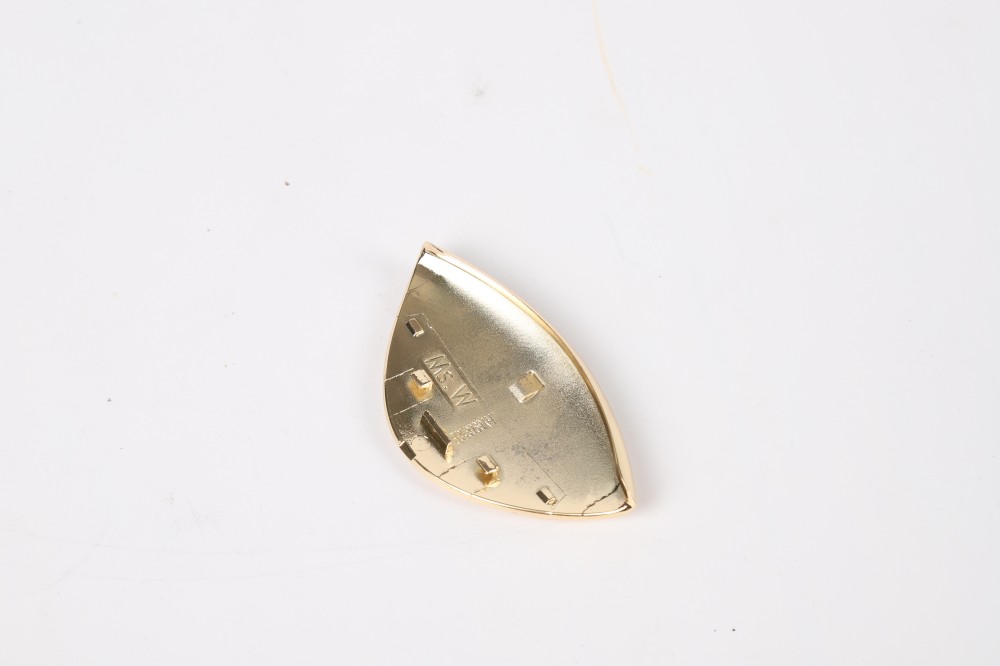
Zinc die casting technology keeps improving. At the 2025 Shanghai International Die Casting Exhibition, Guangdong Huazhu Mould launched a groundbreaking nozzle-less hot-chamber die-casting machine. Its unique parting surface feeding design cuts feed port size, boosting production speed while making cleaner, higher-quality castings with no nozzles or flash.
Alloy development is advancing too. High-strength zinc-aluminum (ZA) alloys and lead-free formulas are hot topics, with 2025 patent applications up 12%. These new alloys open doors for more demanding uses.
Market Momentum
Global zinc alloy market size passed $18 billion in 2024, with China consuming over 40%—driven by auto lightweighting, 3C precision parts, and building hardware.
Trade data tells the same story. China’s unwrought zinc alloy exports hit 622.15 tons in June 2025, up 268.83% month-on-month and 89.24% year-on-year. Imports rose too, at 4626.76 tons—up 7.97% month-on-month and 7.18% year-on-year—showing China’s active role in the global market and strong demand worldwide.
Zinc alloy die casting’s blend of strong properties, cost savings, wide uses, advancing tech, and market momentum keeps it moving forward. As industries keep chasing quality and value, its journey in the manufacturing world is far from over.